

What therapy with me is actually like (and whether we’re a good fit)
Wondering what therapy with me is actually like? My approach is warm, evidence-based, honest, and sometimes challenging. Learn what to expect in therapy, who tends to be a good fit, and why meaningful change often involves doing things that feel uncomfortable.

PTSD, trauma, and avoidance: How Cognitive Processing Therapy and Prolonged Exposure help people recover
PTSD often keeps people stuck through avoidance. This post explores how evidence-based therapies like Cognitive Processing Therapy and Prolonged Exposure help people gradually face trauma memories, reduce avoidance, and rebuild a life that is no longer organised around fear.

Part 3: Wellness, but make it scientific (please)
This post takes a closer look at the wellness industry and what it gets right, what it gets wrong, and why being able to tell the difference is important.

You don’t need to be ready, but you do need to be willing
If you’re waiting to feel ready or motivated before starting therapy, you may be waiting for a while. Here’s why action comes first and how real change actually happens.

Part 2: Science literacy (or, how not to be seduced by “quantum” anything)
Science literacy isn’t about memorising facts or “believing in science.” It’s about knowing just enough to avoid being seduced by therapies that sound impressive but collapse under scrutiny. In a world where “quantum” gets casually attached to nervous systems and trauma healing, learning how to think scientifically might be one of the most practical skills you can develop.

Gay men and the “spark”: When attraction is actually anxiety
If the men who create the biggest spark also create the most confusion, that’s not random. Many gay men mistake attachment anxiety for chemistry. This post unpacks why and what steadier connection really looks like.
Leaving your faith (without losing your mind)
Leaving religion isn’t just about changing beliefs, it’s about learning how to think and choose for yourself again. This post explores the psychological impact of religious trauma, why freedom of thought feels so unsettling at first, and how people slowly rebuild a sense of autonomy, meaning, and self-trust after leaving faith.

Part 1: Trust issues (with pseudoscience): Why evidence still matters in psychology
Not all healing is helpful. From tapping to “energy alignment,” psychology has its fair share of snake oil. This post introduces a new series about separating good science from good storytelling in therapy.

Supervision: Where overthinking is actually encouraged
Early-career psychologists juggle enthusiasm, doubt, and the occasional panic. Supervision is the quiet space where all three get a bit of perspective.

Burnout called. It wants you to cancel something.
If you’re burnt out, you don’t need more grit, you need less on your plate. This is your permission slip to drop the ball and recover.
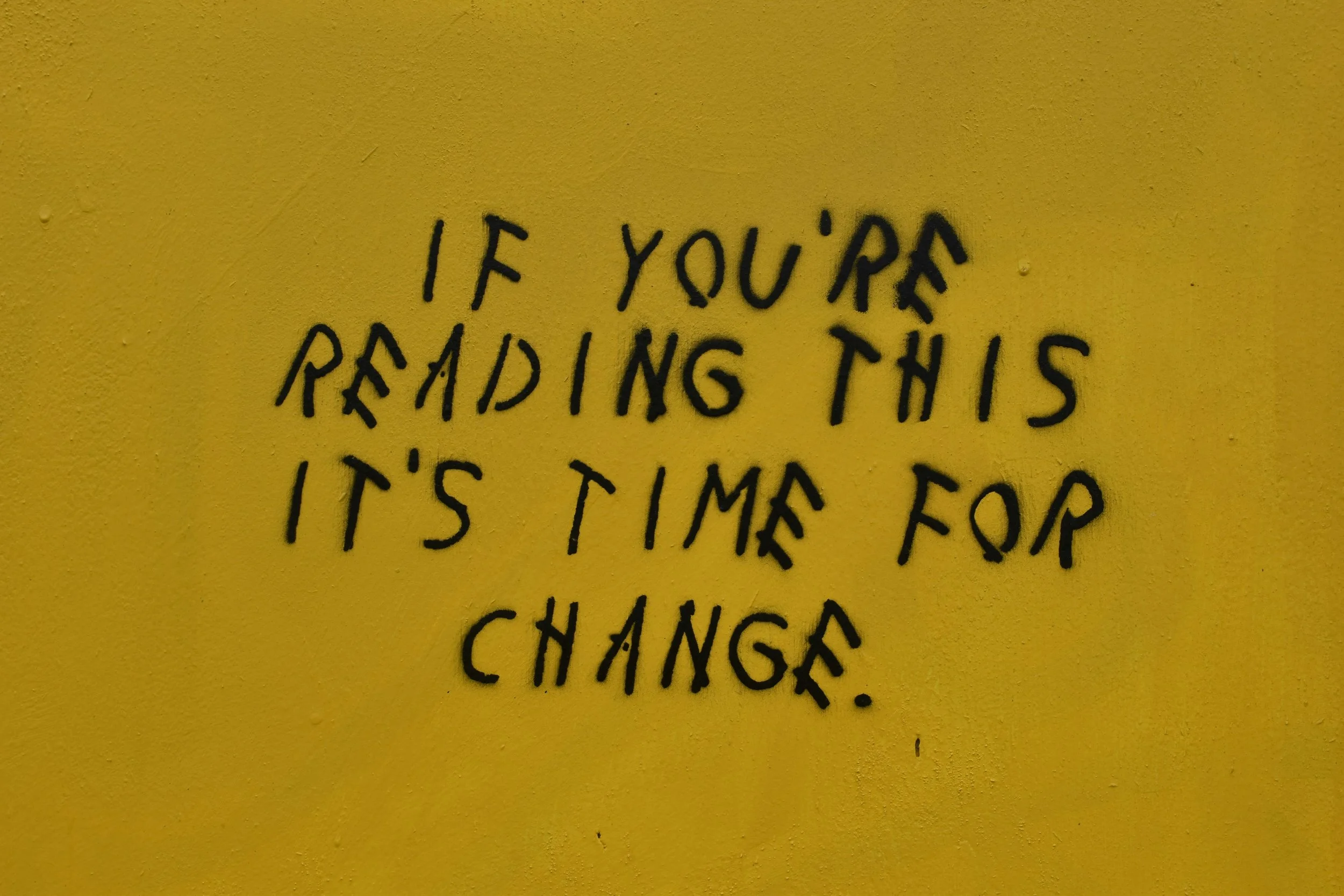
When therapy “makes sense” but nothing changes
Insight in therapy can feel powerful, but it’s not enough on its own. Real change happens when you take what you’ve learned and put it into practice. This post explores why your brain needs experience (not just thoughts) to believe new ideas, how endless “insight” can sometimes become avoidance, and why the work you do between sessions matters just as much as what happens in the therapy room.

Cults: Like therapy, but the therapist thinks they’re God
We like to think we’d never fall for a cult. We imagine robed figures, remote compounds, and the kind of chanting that makes your neighbours call the police. But cult dynamics also thrive in wellness groups, online movements, corporate retreats, and anywhere someone’s selling certainty with a side of charisma.

Can I get a rewind? Overthinking every social interaction.
Social anxiety feels like living on a mental replay loop. Learn why it happens, how avoidance worsens it, and why exposure therapy really works.